The 4 Chore "Hurdles" Kids Dread Most and How to Help Them Become Self-Disciplined
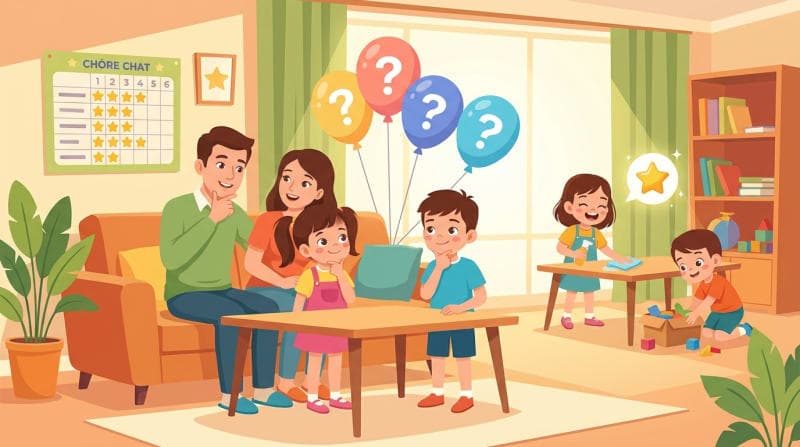
In the journey of raising children, surely there have been many times parents feel "helpless" when their reminders seem to fall on deaf ears. Every child has a unique personality: some are very excited to wash dishes but are "allergic" to folding clothes; others like mopping the floor but suddenly complain of a... stomach ache when it's time to study.
"Cold wars" or endless bargaining sessions revolving around housework are a common story for millions of families. So, what are truly the "number one enemies" that make children find every excuse to escape? And more importantly, how can parents turn these "tough" missions into joy?
Let's join Tasky Kid in identifying the 4 most classic "hurdles" and finding the secrets to conquering them!
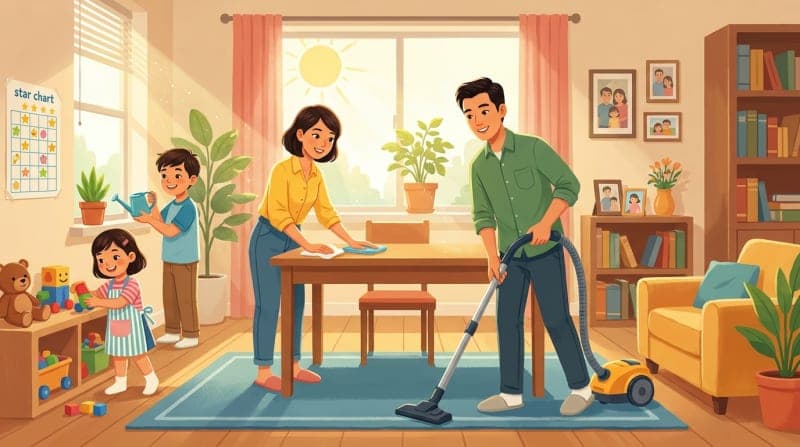
1. Cleaning up toys after "setting up the battlefield"
This is probably the strongest contender for the champion title of things kids hate the most. After hours of being engrossed in an imaginary world, your child's room often looks like a battlefield.
Why does your child hate this? From a child's perspective, gathering hundreds of Lego pieces or scattered stuffed animals is an overwhelming and boring task. The child feels overwhelmed and doesn't know where to start. Furthermore, putting toys away means the "fun is over," which is not a pleasant feeling at all.
Secret for parents:
- Break down the task: Instead of saying "Clean your room," say "Let's pick up all the red blocks first."
- Turn it into a race: Challenge your child to see who can pick up more items in 2 minutes. Healthy competition will stimulate them to act immediately.
2. Sitting at the study desk on time voluntarily
"Mom, I need water," "Dad, I can't find my eraser"... are classic excuses whenever the clock strikes study time. This procrastination not only exhausts parents but also forms bad habits for the child later on.
Why does your child hate this? Shifting from a state of "having fun" to "brain focus" is a huge psychological barrier. Children often live in the present, so the distant benefits of studying (like high grades, a good future) are not as attractive as the cartoon playing on TV.
Secret for parents:
- Set up a buffer zone: Don't make your child turn off the TV and study immediately. Give a 5-10 minute warning so they can mentally prepare.
- Inspirational study corner: A tidy desk with favorite study tools will create better motivation to sit down than a messy corner.
3. Making the bed immediately after waking up
A task that seems simple but is the cause of many sighs every morning.
Why does your child hate this? "I'm just going to sleep in it again tonight, Mom?" - This "audacious" yet quite logical argument leaves many parents speechless. Morning is usually when children are groggy and have low energy, so having to use fine motor skills to fold a blanket squarely feels like torture.
Secret for parents:
- Don't be a perfectionist: Don't require your child to fold it like in the army. Just pulling the blanket flat and arranging the pillows neatly is worthy of praise.
- Link to a habit chain: Set a rule: Making the bed must be done before breakfast (or doing something they like).
4. Finishing all the green vegetables at dinner
Although not exactly "housework," this is a mandatory task that many children consider torture. The battle at the dining table is sometimes even more tense than cleaning up.
Why does your child hate this? Children's taste buds are much more sensitive than adults', especially to bitterness or the strong smell of certain vegetables. Additionally, the psychological pressure of being forced to "eat because it's good for you" creates resistance.
Secret for parents:
- Participate in cooking: Let your child help pick and wash the vegetables. When they contribute, the dish becomes much more delicious to them.
- Give funny names: Instead of "broccoli," call it "the giant's mushroom" or "green superhero power."
Comprehensive Solution: Turn Responsibility into an Exciting Game
Do parents notice the common thread among the solutions above? It is reducing pressure and increasing joy.
Instead of nagging until your jaw hurts, scolding, or threatening, why don't we leverage the child's love for games and rewards? This is where the Tasky Kid app becomes a powerful assistant for parents.
How does Tasky Kid help parents "beat" these levels?
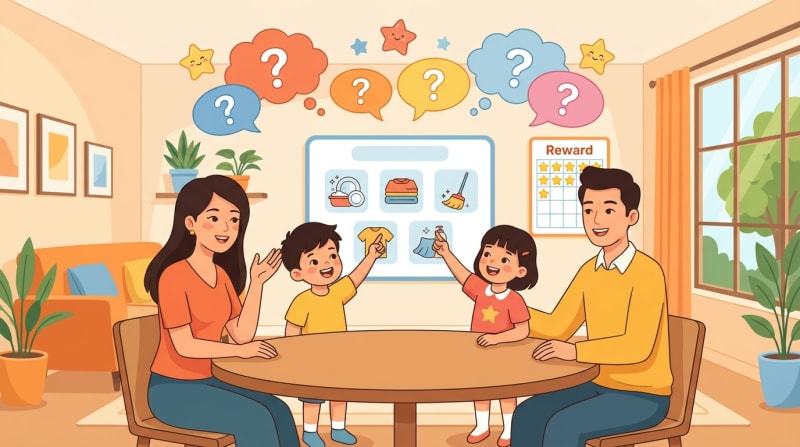
- Visualize tasks: Boring chores will be displayed as vivid task cards. The child will know exactly what they need to do: Clean toys, Study, Make the bed, or Eat vegetables.
- Point accumulation & reward mechanism: Every time a task is completed (even the smallest one like finishing a bowl of veggies), the child receives sparkling stars ⭐. The feeling of immediate recognition causes the child's brain to release Dopamine - the hormone of happiness and motivation.
- Goal setting: Accumulated stars can be exchanged for real rewards the child desires (a movie trip, a new toy, or an extra 30 minutes of TV). This teaches the lesson of "Work first - Enjoy later".
Conclusion
No child is born lazy; they just haven't found the joy in the work yet. Whether your child's "number one enemy" is cleaning toys or eating veggies, parents can absolutely help them overcome it with patience and the right method.
Let Tasky Kid accompany your family, turning "mission impossible" tasks into exciting challenges every day. When chores become a game, children will voluntarily participate without parents needing to utter a single reminder!
👉 Are parents ready to build good habits for their children? Download and experience for free now at: https://taskykid.com
🌟 Obtenez Tasky Kid Maintenant
Aidez votre enfant à prendre de bonnes habitudes avec une application de gestion des tâches pour enfants !
Télécharger Gratuitement